Think about the top you train in the most. It stretches well, dries fast, and survives a hundred washes. It also holds onto odour after one session, clings when you sweat, and feels faintly like plastic against your skin. Because it is plastic.
For two decades, polyester and nylon have been the default answer to the activewear brief. They solved stretch, recovery and durability, and nobody asked many questions about what sat next to the skin. That default is now under pressure. Customers read composition labels. They notice how a fabric feels in the third hour, not just the first minute. And they increasingly ask why performance has to come from petroleum.
Lyocell fabric is one of the clearest answers emerging.
If you’re planning cellulose into your next activewear range, read this closely and download our Active Cellulose Market Intel.
From Synthetic Default to Natural Performance
Synthetics still make up more than half of the world’s fibre output, and they earned that position. They are cheap, consistent and easy to engineer. Natural fibres traded performance for comfort: cotton breathes but holds water, wool regulates temperature but costs more and needs care. Activewear chose synthetics because nothing else held up to sweat, stretch and the washing machine at the same time.
Cellulosic fibres are closing that gap. The Insight Partners values the global lyocell fibre market at roughly US$978 million in 2025 and projects it to reach about US$2 billion by 2034, an 8.45% annual growth rate. That’s a rounding error next to polyester. It’s also exactly why the white space exists. The brands moving now are building a material position their competitors will spend the next few seasons trying to copy, following the same shift toward bio-based performance we covered in the fabric technology defining AW27 activewear.
What Is Lyocell Fabric? From Wood Pulp to Performance Yarn
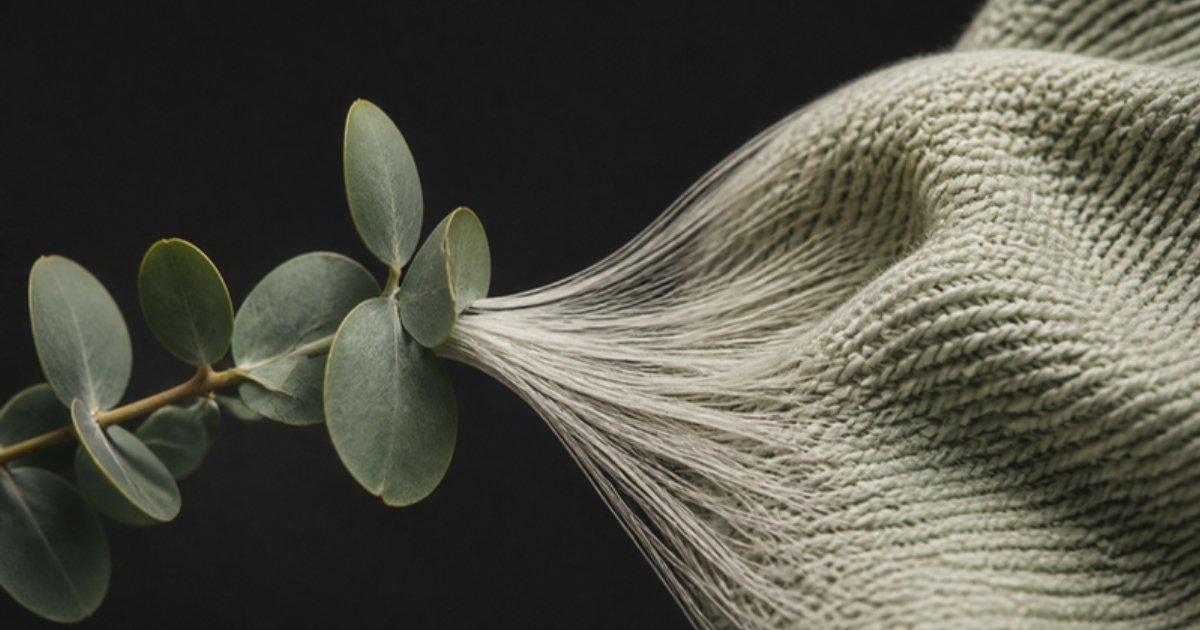
Lyocell is a regenerated cellulose fibre. It starts as wood, typically from managed eucalyptus, beech or spruce forests, which is processed into pulp. The pulp dissolves in an organic solvent to form a viscous cellulose solution. That solution is pushed through spinnerets into a bath, where it solidifies into fine, continuous filaments that are then spun into yarn and knitted or woven into fabric.
The solvent is what separates lyocell from conventional viscose. In a closed-loop system, over 99% of it is recovered and reused rather than discharged. TENCEL™ Lyocell, made by Lenzing, is the best-known branded version. Modal and viscose sit in the same cellulosic family but use different chemistry, which changes their strength, hand feel and environmental profile. For a wider view of how these fibres compare on impact, see what actually makes a fabric sustainable.
The result is a fibre with a smooth surface and consistent cross-section. That gives lyocell its signature silky lustre, efficient moisture absorption, and a cool, dry feel against the skin. Those are the properties activewear has been trying to engineer into polyester for years.
A Longer Fabric Brief Behind a Soft Hand
The hand is natural. The brief is not. A cellulose activewear specification still has to deliver stretch, recovery, opacity, wicking and wash durability. The difference is that it has to do it with a fibre that behaves nothing like polyester in the knitting machine or the dyehouse. A few constructions in current development show how brands are solving it:
- Legging: 84% TENCEL™ Lyocell, 16% spandex at 285gsm. Enough weight for opacity and compression without losing the cellulose hand.
- Power stretch: 86% TENCEL™ Lyocell, 14% ROICA™ EF recycled elastane from pre-consumer waste. High natural content with a lower-impact stretch component.
- Lightweight woven: 92% TENCEL™ Lyocell, 8% nylon at 125gsm with enzyme wash and crinkle effect. A matte, packable shell for running and outer layers.
- Performance jersey: 76.4% lyocell, 19.1% wool, 4.5% elastane at 180gsm. Wool adds temperature regulation and natural odour control.
- Sweats: 57% lyocell, 42% cotton at 375gsm with a brushed back. Recovery-day weight with a cleaner drape than all-cotton fleece.
Where Cellulose Performance Gets Difficult
Lyocell solves comfort. It doesn’t automatically solve everything else. Nylon still wins on abrasion resistance, so high-friction zones on leggings and shorts need careful construction or targeted reinforcement. Lyocell fibrillates when wet and agitated, raising fine surface fibres that read as pilling or frosting, so enzyme treatment and controlled finishing become part of the specification rather than an afterthought. Shrinkage, dye uptake and recovery all shift with the elastane ratio, and a construction that tests well at sample stage can drift after the fifth domestic wash.
Blend ratio is the other quiet decision. Once lyocell drops below roughly half the composition, the fabric mostly behaves like whatever it’s blended with, and the comfort story weakens. Blending with elastane or nylon also limits end-of-life claims: pure cellulose biodegrades, a stretch blend doesn’t fully. The brands getting this right decide the claim first and engineer the blend to support it.
Fibre innovation is widening the options. Cooling viscose fibres such as Wincool are engineered for fast heat and moisture transfer, with developers claiming a cool-touch effect of one to two degrees Celsius. Lenzing’s ECOVERO™ viscose uses traceable pulp from certified forests and, according to Lenzing, generates up to 50% lower emissions and water impact than generic viscose. Merino and cotton blends add warmth, structure and familiarity. The toolkit is growing faster than most product teams can test it.
Sourcing the Next Wave of Cellulose Activewear
Lyocell isn’t replacing synthetics overnight. It’s expanding what activewear is allowed to be made of. The brands building this well aren’t treating cellulose as a sustainability swap. They’re treating it as a performance programme, with fibre selection, blend ratio, finishing and wash testing managed as one system. The brief gets longer. The execution stays consolidated. And the customer, pulling on a pair of leggings for a 7am class or a long run, simply notices that it feels better.
Contact us to develop your next lyocell activewear programme with Lever Style.