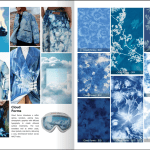
Menswear fabric choices for SS27 are starting to land. Linen is gaining renewed traction, stripe is appearing across multiple categories, and technical fabrics are showing up in contexts that would have felt out of place two seasons ago.
As brands begin making decisions for the season, the product and material design experts at Lever Style have mapped the directions gaining the most traction — and grouped them into four themes that are worth understanding before committing to a fabric story.
We’ve also put together a full SS27 Mens Fabric Direction deck covering 18 directions in detail. You can download it here.
This is what we’re seeing.
Texture Is the New Print
The most consistent theme across SS27 menswear is tactile complexity. Direction after direction is built around surface rather than colour or graphic. The garment communicates through how it looks up close — and how it feels.
Heavy Crochet brings an artisanal weight to warm-weather dressing, combining open-weave structure with substantial hand-feel. Frayed Florals use cutdobby weaving to lift floral patterns off the surface — visible as texture before they read as print. Intentional Neps introduce deliberate speckle into base fabrics, giving them a lived-in quality that smooth base cloths cannot replicate, which our experts have noticed as a key trend across every brand. Knitlook Stripes carry a knitted surface appearance in woven construction.
These directions do not share a colour story or a silhouette. What they share is a logic: perceived value is moving away from branding and toward construction. A consumer who understands fabric quality — and increasingly, that consumer exists — responds to a garment that rewards close attention. Texture is how brands communicate craft without explanation.
For collections that have relied heavily on print or colour to generate interest, this is a meaningful shift in how the product needs to work.
Natural Fibers, Reconsidered
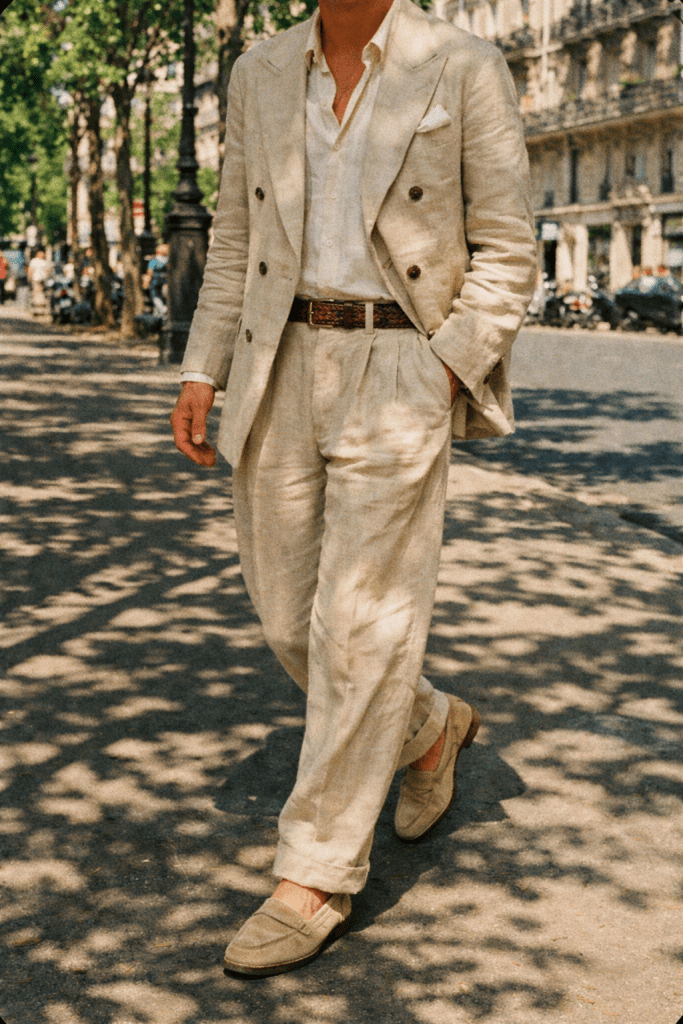
Linen has been discussed as a trend for several seasons. In SS27, it is no longer trend-forward — it is broadly adopted, which means the direction has matured and the differentiation now sits in how it is handled.
Elevated Linen is the key direction here. The focus is on refined construction and sophisticated end-use: tailored separates, suiting weights, structured outerwear rather than casual staples. The fabric is the same; the application has moved upmarket. Linen Stripe extends this into pattern, with the texture of the base cloth doing as much visual work as the stripe itself.
Chambray follows a parallel path. It is gaining traction not as a denim alternative but as a standalone category — lightweight, structured, and versatile across casual and semi-formal contexts. Summer Wool completes this group, relevant for brands whose customer needs year-round fabric performance: natural breathability, moisture management, and a surface that holds shape.
What connects these directions is not sustainability positioning, though that is part of the commercial context for many brands. The more immediate driver is consumer response to natural drape, breathability, and the visual softness of unstructured fibers. These fabrics look and wear differently from synthetics. That difference is increasingly legible to the end consumer — and it is driving demand rather than just values alignment.
Stripe Is Not One Trend
Stripe appears across more SS27 directions than any other pattern. But treating it as a single trend is a mistake.
Linen Stripe and Stripe Blues occupy different positioning entirely. Linen Stripe reads elevated casual: relaxed silhouettes, natural palette, summer dressing with a considered finish. Stripe Blues — driven by chambray indigo construction — is calmer and more refined, suited to workwear contexts and brands with a more restrained aesthetic. Texture Stripe introduces tactile complexity into the stripe format, where the surface of the cloth matters as much as the pattern. Knitlook Stripes lean toward resort and contemporary casual.
The implication for brands is straightforward. Choosing which stripe direction belongs in a collection is not a question of whether stripe is right for the season — it clearly is. The question is which iteration fits the brand’s customer and positioning. A brand making elevated casualwear has a different answer than one building contemporary workwear or resort.
Each of these directions is coherent on its own. Combined carelessly, they produce a collection without a point of view.
Technical Fabrics Move Into Fashion Territory
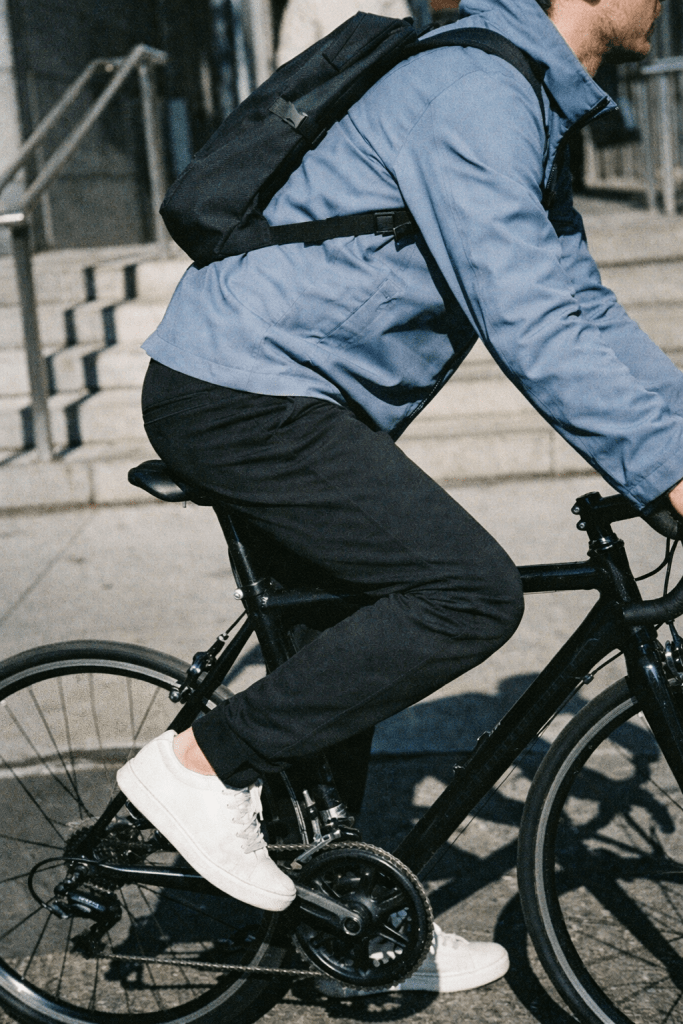
Ripstop construction, abrasion-resistant textiles, laundered nylon, and grid check fabrics have long been standard in outdoor and performance categories. What is different in SS27 is where they are showing up and how they are being presented.
The silhouettes are cleaner. The colourways are more considered. The styling context is fashion-forward rather than functional. These fabrics are not being marketed as technical — they are being treated as aesthetic choices that happen to perform.
This is a meaningful shift for brands whose customer sits between fashion and function. The outdoor-influenced consumer who drives categories like trail running apparel and urban outerwear is not abandoning technical fabric — but they are expecting it to look better. SS27 responds to that expectation directly.
For brands already working in this space, the direction validates a move toward more refined technical product. For fashion brands with no history in performance fabric, it represents a genuine category extension opportunity — one that calls for working with apparel manufacturers who have experience in both technical construction and fashion execution.
Grid check deserves particular attention here. It bridges both worlds cleanly: a pattern with fashion credibility applied to fabrics with structural purpose. It is one of the more versatile directions in the SS27 deck for brands navigating across categories.
How to Read These Themes for Your Collection
Not every brand needs all four themes. The more useful question is which theme maps to your customer and your collection identity.
A brand building around craft and perceived value leads with texture. A brand whose customer is moving toward natural comfort and relaxed sophistication leads with linen and natural fibers. A brand sitting between fashion and outdoor finds its opportunity in the technical direction. And almost every menswear brand has a stripe story to tell in SS27 — the job is knowing which one.
The themes are not in competition. Many collections will draw from more than one. But the strongest collections will have a clear read on which theme anchors them.
Start Building Your SS27 Collection With Our Team
If you are developing your SS27 menswear collection and want to explore which fabric directions make sense for your brand, our team is available to work with you from the design stage through to production. We support brands across a network of 150+ factories in eight countries, with experience across all the fabric categories covered in this article.
Get in touch today to start the conversation