Most first production runs stall in the same place. A brand sends over a design, asks for a price, and gets a list of questions back instead of a quote. Nothing has gone wrong. A factory cannot cost a garment it cannot fully picture, and a photo with a note saying “like this but in navy” leaves too much unpictured.
That gap between sending a design and receiving a price is almost always a tech pack problem. Our team at Lever Style sees it constantly with brands running their first or second production cycle, and it is the main reason a first order takes months longer than the founder originally planned. Luckily, there is a way to fix it.
What Is a Tech Pack
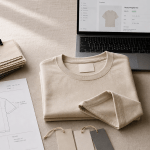
A tech pack is the technical document that tells a factory exactly what to make. Some people call it a garment specification sheet or a spec pack. The name matters less than the function, which is to remove interpretation from the process.
Factories need to understand your garment without you in the room, and you want to make sure this process does not involve any guessing.
What to Include in a Tech Pack: The Nine Essentials
Collection and style planning. Total number of styles, a unique style number and name for each, colours per style, expected quantity per colour, and either a target volume or an approximate budget excluding tax and shipping. This shapes everything downstream. Styles sharing a fabric can cut fabric minimums substantially, and unit price falls as quantity rises.
Reference samples. A physical garment with similar construction, fit or finish communicates more than fifty pages of documentation. If you cannot send one, detailed photographs of comparable garments are a workable start. Reference samples cut development time by at least half and prevent the most common cause of sample rejection, which is simply that two people pictured different garments.
Sketch and construction details. A clear front and back sketch of each style with measurement points marked, A for sleeve length, B for body length, and so on. Annotate specific construction such as seam binding, topstitch placement, lining or closures with photos showing the craft you want. Where construction is unspecified, a factory applies standard methods consistent with the design, which may not be the ones you had in mind.
Prototype size specifications. Name the base size for each style and give the length of every key measurement point at that size. The base size is what gets made first and what every other size grades from, so an error here repeats itself across your entire size run.
Sizing and grading. State the sizes you are producing and the grading rules between them. Five sizes from XS to XL is the industry standard and more sizes add cost. If you cannot supply a full grading chart, tell the factory your target market so one can be built for you. Size grading is one of the leading causes of returns, and sizing conventions differ by country.
Fabric and colourways. Texture, composition, weight, and which fabric and colour goes where on the garment. For colour, Pantone codes are essential, TCX for textiles and TPX for paper. A Pantone reference is what prevents the navy that arrives as royal blue.
Trims and accessories. For buttons, rivets, zippers, drawcords and everything similar, give colour, material, dimensions and installation position. If you already work with a trim supplier, say so at the start rather than after sampling begins.
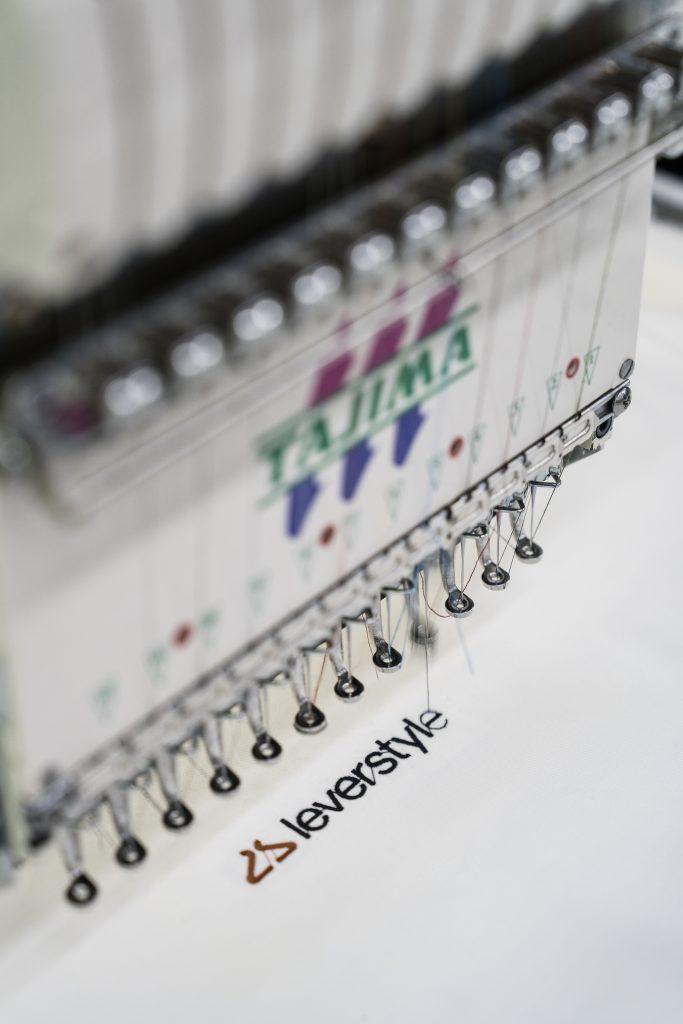
Logo, print and embroidery. Supply the logo as an AI file with text converted to curves, plus colour, dimensions, position in centimetres, and technique, whether heat transfer, screen print, embossed silicon or a specified embroidery type. A physical reference for the finish you want helps more than a written description.
Labels and care instructions. Design and layout for the main label, care label and hangtag, with placement specified, for example fifteen centimetres up from the inside bottom left seam. Country of Origin on the care label is mandatory. Most factories can adjust care symbols to match your fabric, but the label design has to come from you.
What a Tech Pack Does Not Cover
This is where most tech pack guides stop, and it is where most first orders actually run into trouble. A complete tech pack tells a factory what to make. It says nothing about the conditions the work happens under, and a factory needs those too.
Production context. Your preferred country of manufacture affects duty rates, freight cost and trade agreement eligibility. Your compliance requirements, whether BSCI, SEDEX, GOTS, OEKO-TEX or a recycled content claim, determine which facilities can legitimately take the order. Not every factory holds every certification, and finding that out late means finding out that a sustainability claim you have already written into your marketing cannot be backed. Your launch date and any seasonal window belong here too, along with whether you need third party testing for fibre composition, colour fastness, AZO dyes or flammability, and whether you want pre-shipment inspection at a defined AQL standard.
Finished goods and fulfilment. How each garment should be folded, what packaging you want, and what your barcode stickers need to show. Packaging is a quiet cost trap. Transparent polyester bags are standard and carry no minimum. Printed, recycled or paper bags have to be ordered alongside the garment, usually carry high minimums, and add lead time. You should also decide whether samples ship on your courier account or the factory’s, and whether you have a freight forwarder for the bulk shipment.
Commercial terms. Payment structure, sample fees, and a purchase contract covering product details, unit prices, delivery date, trade terms such as FOB or DDP, and a tolerance clause. Most disputes between brands and factories trace back to something nobody wrote down.
3. Pre-Qualify a Second Country Before You Need One
Supply chain diversification fails when brands treat it as something to activate during a crisis. Qualifying a second country takes the same time whether the situation is urgent or not: fit approval, wash and finish standards, trim and hardware sourcing, testing protocols, and at least one production trial at real volume.
None of that requires capital commitment. It requires development calendar time, which makes pre-qualification the cheapest insurance available in apparel sourcing. A brand with a second country approved across its top ten styles can move inside a season. A brand starting from zero needs two. A second country on a vendor list means nothing; approved product in a second country means the option is real.
Talk to Our Team
Very few brands arrive with all items complete, and that is normal. The point of working through them is not perfection. It is to surface the questions a competent factory will ask anyway, so you meet them with answers instead of delays.
Lever Style produces across eight countries in Asia and works with almost 200 brands, from established labels to founders placing a first order through Lever Studio. If you are preparing your first production run and want a read on whether your specifications are ready, contact us at https://www.leverstyle.com/contactusform.