Duty positions move faster than apparel programs do. A rate can change in a matter of weeks. A program commits fabric, factory and cost basis over a matter of months. Nothing in the past two years has changed that mismatch, and no sourcing team forecasts policy reliably enough to plan around it.
What a sourcing team can control is the distance between the moment it commits capital and the moment it knows what that capital cost. The five tariff mitigation strategies below all shorten that distance. They are ordered by where they sit in the calendar, because timing decides whether any of them are still available to you.
Know Where Your Flexibility Goes
Every apparel program passes through four commitment gates, and your flexibility reduces at each.
- Range architecture, nine to twelve months out. Category mix, volume ambition and price architecture are set. Country of origin rarely comes up, though category drives fabric and fabric narrows the list of countries that can build the style.
- Fabric commitment, five to seven months out. Piece goods carry long lead times and are nominated to a specific mill. Once that order sits, assembly options collapse to whoever can receive the fabric on a workable freight lane in time.
- Allocation and purchase order, three to five months out. Teams treat this as the sourcing decision. It mostly ratifies choices made two gates earlier.
- Production and entry, zero to two months out. Duty is assessed here, against a cost basis set at gate two.
The exposure window sits between gate two and gate four, which in most programs is four to six months. Anything that starts after gate two is damage control. The five moves below all happen before it.
1. Decide Which Styles Are Actually Exposed, at Range Planning
Exposure is not the same as cost. The test is volume multiplied by margin thinness multiplied by commitment size. A high volume core carrier on a thin margin is exposed. A short run fashion style at a healthy margin is not, whatever happens to the rate. Run that test at gate one, while country of origin is still an open question, and you will usually find that a small number of styles carry most of the risk. Then segment the line by exposure rather than by convenience. Most brands allocate by habit, sending whole categories to whoever handled them last season.
Splitting by exposure takes more work up front and puts flexibility where it pays for itself: carryover and replenishment programs justify readiness in more than one country, while seasonal fashion generally does not
2. Buy Fabric That Can Travel
After you commit to certain fabrics, it becomes very hard to change country of origin. Nominate a mill whose output ships economically to more than one assembly country and the option survives gate two; nominate one that only feeds a single lane and the assembly decision has already been made for you. Fabric that travels sometimes costs more per metre. Treat that premium as the price of an option and budget it as such, rather than letting a line-item costing review kill it in isolation.
3. Pre-Qualify a Second Country Before You Need One
Supply chain diversification fails when brands treat it as something to activate during a crisis. Qualifying a second country takes the same time whether the situation is urgent or not: fit approval, wash and finish standards, trim and hardware sourcing, testing protocols, and at least one production trial at real volume.
None of that requires capital commitment. It requires development calendar time, which makes pre-qualification the cheapest insurance available in apparel sourcing. A brand with a second country approved across its top ten styles can move inside a season. A brand starting from zero needs two. A second country on a vendor list means nothing; approved product in a second country means the option is real.
4. Shorten the Commitment Ladder
A smaller first buy with a planned replenishment tail moves part of the volume decision from six months out to around eight weeks out, and at eight weeks the duty picture is usually visible. This is the most effective structural change available to most brands. It also has a precondition: production partners who can run smaller batches without a unit cost penalty large enough to cancel the flexibility gained. Check that economics before restructuring the buy, not after.
5. Re-Sequence Before You Re-Source
When the picture changes mid-season, triage by gate before doing anything else. Styles past fabric commitment are largely fixed, so spend no further energy there. Styles between gate one and gate two hold most of the recoverable value. Styles not yet planned should be re-architected with the new information first.
Where a Production Partner Makes These Five Possible
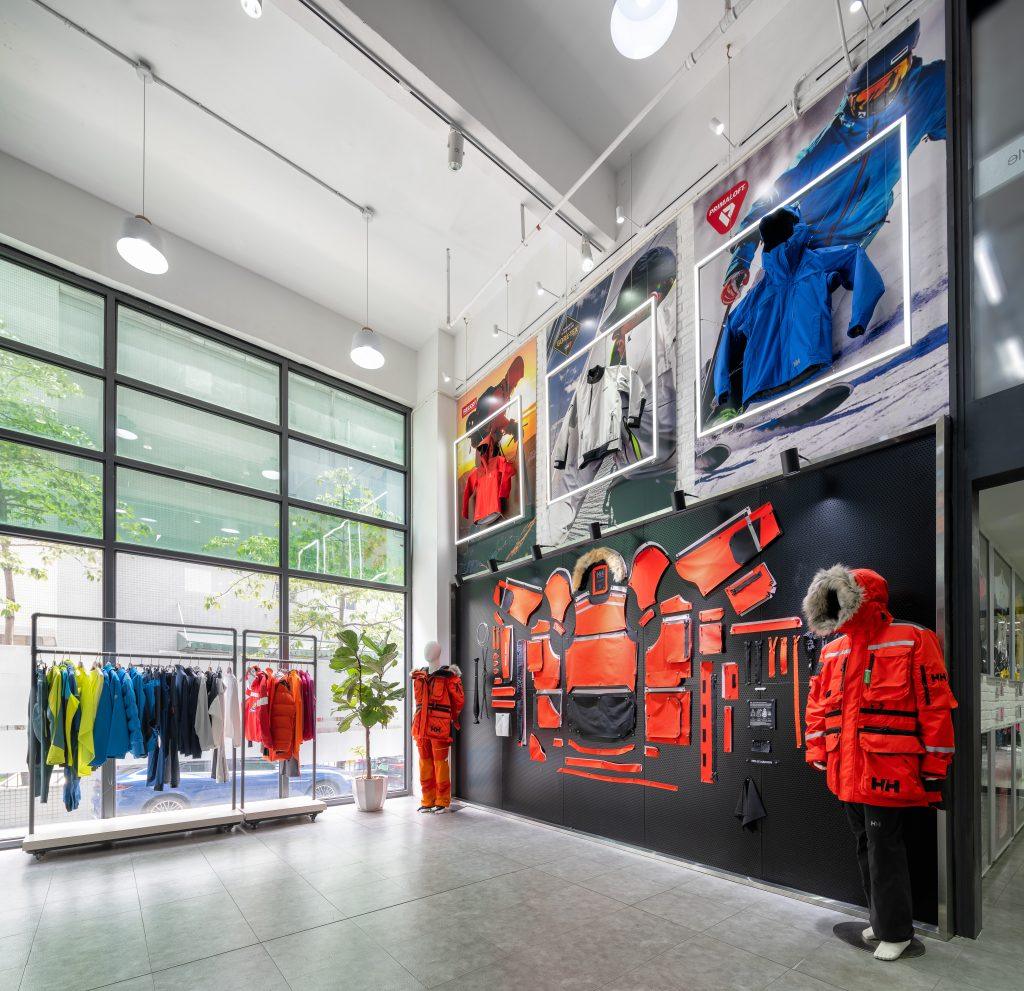
Four of the five moves above depend on what your production partner can actually do. Most structures deliver one or two of them.
Lever Style works with almost 200 brands and produces across eight countries in Asia, so moving a style between them does not mean sourcing a new vendor, negotiating new terms or rebuilding a quality standard: the commercial relationship stays the same, while the country changes. We hold fabric and assembly together, which is what keeps the option alive at gate two, the gate where most structures lose it because nobody owns the question of whether the nominated fabric can reach a second assembly country.
Talk to Our Team
You don’t have to carry this alone. Working with us means the second option is already built: styles approved in more than one country, one relationship, one quality standard, and a production move that takes weeks instead of seasons. Tell us which styles worry you most and we will take it from there. Get in touch at https://www.leverstyle.com/contactusform