Activewear fabric is entering a new era. A wave of innovation is moving performance off the finish and into the fibre — cooling that lives in the knit, protection engineered into the yarn, sustainability built in at the molecular level.
In the SS27 season, all these elements are coming together.
The new generation of activewear fabric performs from the inside out — knits that channel heat through their own structure, yarns that carry UV and abrasion resistance through every wash, fibres that deliver sustainability at source rather than on a hangtag.
Our experts at Lever Style have curated the activewear fabrics defining SS27, and the sourcing shift powering them.
The Activewear Fabric Brief Is Changing
The most important element is simple: performance is no longer a finish added at the end. It is built into the fibre and the knit from the start, and SS27 is where that becomes the rule rather than the exception.
The new generation of activewear fabric performs for the life of the garment. Cooling, stretch, water resistance and UV protection are knitted into the yarn and the structure, so the function never washes out and never wears off. Compare that to the previous generation — wicking sprays that fade, water-repellent finishes that rinse away, cooling treatments that survive a season at best.
Because the performance is built into the fibre and the knit, it has to be developed, tested and produced differently — at the mill, in the lab, and through to the finished garment. That changes what sourcing looks like, which is where the next part of this story begins.
The Fabrics Defining SS27
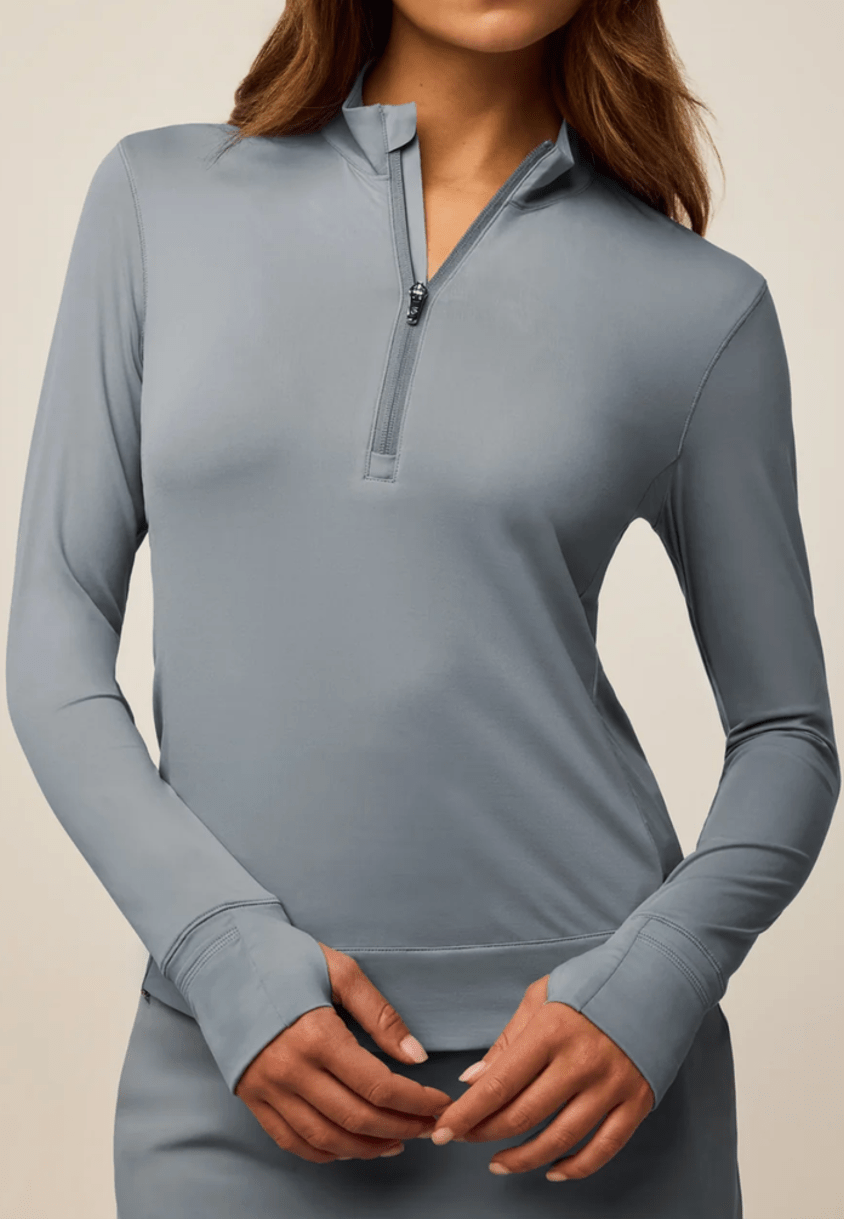
From cooling knits that solve heat and moisture at the construction level to fibres engineered with protection and sustainability built in, here are the activewear fabrics shaping SS27:
You can download the performance fabrics trend book here: Download My Trendbook
Bonded and laser-cut finishes. Seams and trims replaced by precise, lightweight detailing that becomes part of the fabric architecture. Clean lines, modern silhouette, no compromise on comfort.
Aero tech sportswear fabric. Engineered for real aerodynamic performance, with breathability and moisture-wicking knitted directly into a lightweight construction. The kind of cloth designed for athletes, but increasingly showing up in premium training collections.
Technical seersucker. A modern take on a classic. The crinkled texture lifts the fabric off the skin and channels air across the body — a structural answer to heat, no chemistry required.
Cooling and sweat-hiding knits. The yarn and stitch are tuned so heat escapes as vapor and sweat marks disappear into the surface rather than under a print. Quietly clever, and unmistakable once you wear it.
Performance merino. The natural one. It regulates temperature and resists odor on its own, no synthetic finish required, which is why it keeps finding its way into more premium athletic fabric programs.
Airy sheers. Featherlight, fast-drying, and surprisingly protective — the SS27 answer for hot-weather layering.
Greenfirst-treated knits. UV resistance and anti-mosquito performance built into the yarn, so the protection survives every wash rather than fading after a season. Quietly one of the most useful fibre innovations of the year.
Cordura and aramid blends. Where abrasion resistance used to mean a heavy external coating, these blends deliver it from the yarn itself. Tougher, lighter, and far better looking on the body.
Eco-friendly 3L laminates. Waterproofing and breathability engineered as a single technical layer — a real upgrade over treating a basic shell, and a much cleaner story for sustainability-led brands.
Biodegradable polyester and bio-based stretch. The sustainability claim moves from the hangtag to the fibre, which is the only place it can actually hold up. Performance stays where it should be — in the cloth.
Engineered knit and knit jacquard. Breathability, stretch, and support knitted into zones of different density across a single piece. The performance is the construction.
What This Means for Activewear Sourcing
Start with credentials. Who do they already produce for? A factory’s existing client list is the clearest signal of the quality bar they operate at — if they make for brands you respect, they can make for you. Ask whether they handle multiple product categories under one roof: wovens, knits, outerwear, and cut-and-sew jersey each require different machinery and expertise, and a partner who covers more of your range as you grow saves you from building a second supply chain in eighteen months. Certifications matter too. B Corp status, WRAP, BSCI, GOTS, or Higg participation tell you the factory has been audited by someone other than themselves — useful both for your own diligence and for the sustainability claims you will eventually want to make to customers.
Always pay for a pre-production sample before placing a bulk order. Sample fees vary by style and category — a simple jersey tee sits at one end, a structured outerwear piece at the other — and are sometimes credited back against production. The sample is your only real data point on what the factory can produce. Check it against your tech pack for stitching density, fabric hand, label placement, and finishing.
Evaluate whether you need third-party inspection, or whether you are working with a partner that already has quality control built in. Independent inspectors visit the factory before shipment and check a percentage of the order against your specs, which is standard practice for any private label clothing manufacturer relationship and protects you from the worst outcome — paying in full for stock you cannot sell. Some manufacturers run their own in-house QC to the same standard and can share inspection reports directly, which removes the need to coordinate an outside firm. Either path works; what matters is that someone other than the production line is signing off before the goods leave the floor.
Read the purchase contract before you sign. Make sure the terms cover what happens if quality, timing, or quantity miss the mark, and that responsibilities on both sides are clearly spelled out. A factory that resists clear terms is telling you how the relationship will go.
What This Means for Activewear Sourcing
These fabrics are harder to make. They require longer development cycles, tighter testing, and a factory base that can move between knitting, lamination, and technical finishing without breaking its calendar.
This is where Lever Style works. Our experience working with more than 180 brands has given our team deep familiarity with a wide range of fabric requirements — and the ability to match each one to a mill built to make it, rather than forcing a single factory across techniques it was never set up for. Our high-mix, lower-to-medium volume model fits the way these fabrics tend to arrive: smaller technical runs first, scaling once the construction is proven.
For a sportswear brand choosing an activewear manufacturer, or a private label activewear program getting off the ground, that flexibility is what gets SS27 from the deck to the floor with the performance still intact.
Talk to our team about building your SS27 activewear fabric program with Lever Style. Contact us here